The world of fashion resale moves fast. Just when you've mastered the art of sourcing and photography, a new buzzword takes over: AI. For many Poshmark sellers and fashion resellers in the USA, "AI in fashion" sounds like something reserved for major brands with endless budgets. It’s easy to feel like you’re constantly playing catch-up, wondering if these technological shifts apply to your daily grind of creating listings and managing inventory. But what if AI isn't just for the big players? What if it's actually the practical tool you've been looking for to streamline your operations and give your listings a real edge?
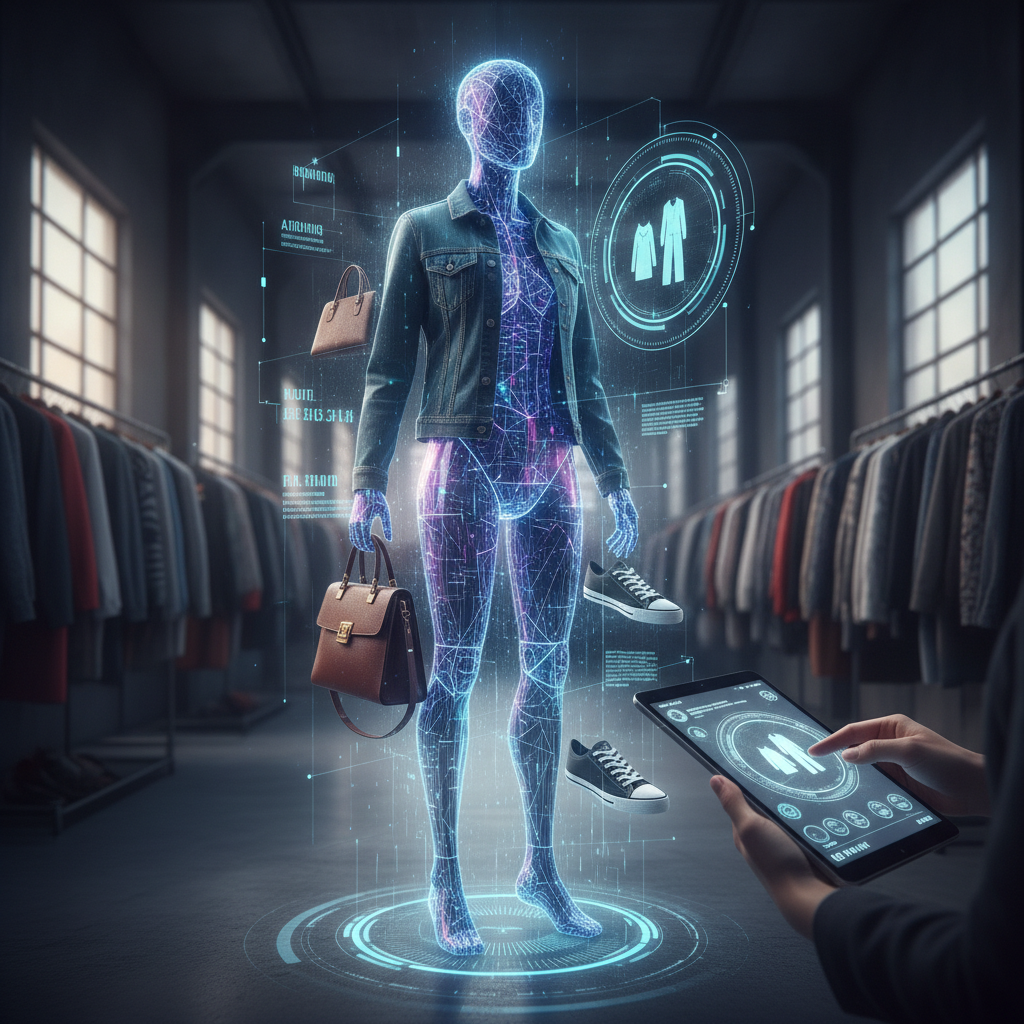
AI is already reshaping the American fashion landscape, its influence trickling down to every corner of the market, including the vibrant world of resale. This isn't about robots sewing clothes or predicting next season's exact hemlines with perfect accuracy. It's about smart tools that can handle repetitive, time-consuming tasks, freeing you up to focus on what you do best: finding amazing pieces and connecting them with eager buyers. Understanding how AI is being used, and how you can leverage it, isn't just about staying current; it's about working smarter and faster.
The Rise of AI in American Fashion: Beyond the Hype
When we talk about AI in American fashion, it's easy to picture futuristic scenarios or get lost in technical jargon. But for a Poshmark seller or a crosslister, the most impactful applications are often the most practical ones. Major fashion houses and retailers in the US are already using AI to analyze trends, optimize inventory, personalize customer experiences, and even design new collections. They're crunching vast amounts of data – from social media trends to sales figures – to make smarter decisions about what to buy, what to stock, and how to present it.
This isn't just a distant phenomenon. The effects ripple down. When big brands get better at predicting trends, it influences what gets produced and what eventually makes its way into the resale market. When they personalize shopping experiences, it raises customer expectations across the board. For the everyday reseller, this means the competitive landscape is subtly shifting. Buyers are becoming more accustomed to highly detailed, engaging product descriptions and efficient shopping processes. The "manual way" of doing things, while foundational, is increasingly challenged by the speed and precision that AI can offer.
The key isn't to feel overwhelmed, but to recognize that AI is becoming standard operating procedure, not a luxury. It’s about finding ways to integrate these efficiencies into your own business, even on a smaller scale. It's about recognizing that the same underlying principles that help a multi-million dollar brand manage its supply chain can be adapted to help you manage your ever-growing inventory and listing pipeline.
How US Fashion Brands Are Using AI (and What Resellers Can Learn)
Let's look at some concrete ways American fashion brands are putting AI to work and what lessons resellers can extract for their own operations:
- Trend Forecasting and Demand Prediction: Big names use AI to analyze everything from runway shows to social media chatter and search queries to predict what styles will be hot next season. For resellers, this translates into smarter sourcing. While you might not have access to their algorithms, paying attention to what's trending and what's being talked about online can guide your buying decisions. AI tools can help you quickly identify keywords and phrases that buyers are actively searching for, giving your listings a better chance to be seen.
- Personalized Recommendations: Ever notice how online stores seem to know exactly what you want before you do? That's AI at work, analyzing your browsing history and purchase patterns. Resellers can't build a complex recommendation engine, but they can apply the principle of personalization by creating highly detailed, keyword-rich listings that speak directly to specific buyer interests. The more precise your description, the more likely it is to connect with someone looking for exactly that item.
- Optimized Inventory Management: Large retailers use AI to track inventory levels, predict sell-through rates, and even manage returns. For a reseller, this means less guesswork about what to price, when to re-list, or what items are moving slowly. While you might not have a full-fledged AI system, the goal is the same: reduce manual effort and make data-driven decisions. Tools that help you organize your items and track your listing progress are essentially bringing a simplified version of this efficiency to your workspace.
The common thread is efficiency and insight. These brands are using AI to reduce manual labor, make better decisions, and ultimately, sell more effectively. As a reseller, your goal is no different. You're looking for practical ways to save time, improve your listings, and get items sold.
Practical AI Tools for US-Based Fashion Resellers
The good news is you don't need a team of data scientists to bring AI into your resale business. The focus for resellers should be on practical, clear, and fast solutions that tackle the most time-consuming aspects of the job. One of the biggest time sinks? Creating compelling, accurate, and keyword-rich listings.
Think about it: for every item you sell, you need to write a title, craft a detailed description, and choose relevant categories and keywords. This isn't just busywork; it's crucial for visibility and conversion. A poorly written listing can mean an item sits unsold, while a well-optimized one flies off the digital shelf. This is exactly where AI can be a game-changer for Poshmark sellers and crosslisters.
Instead of staring at a blank screen, trying to come up with the perfect blend of descriptive adjectives and search terms, AI-powered tools can assist. Imagine uploading a few photos and basic details, and having AI generate a strong title and a comprehensive description that highlights key features, materials, and potential styling options. This isn't about replacing your expertise; it's about augmenting it. You still provide the initial input, the eye for fashion, and the final review, but the heavy lifting of drafting is handled, saving you significant time and mental energy.
For example, ZeeDPosh offers a workflow tool specifically designed for fashion resellers. It includes AI-assisted content generation for titles and descriptions. This means you can create stronger listings and manage your resale work faster. It’s built from real experience in automation and AI, focusing on what a small business owner actually needs to do in practice, without being overly complex. This kind of practical solution is what helps you work more organized, improve your results, and progress faster without getting bogged down in manual, repetitive tasks.
Navigating the Future: AI's Impact on the Resale Market in the USA
The US resale market is booming, and it's only going to get more competitive. As more people enter the space and platforms like Poshmark grow, standing out becomes paramount. AI isn't just a trend; it's an evolving tool that can help you maintain an edge.
Consider the impact on search. Buyers are increasingly sophisticated in their searches, often using specific keywords to find exactly what they want. AI-generated descriptions can help ensure your listings are packed with these relevant terms, making them more discoverable. This directly addresses the pain point of items not being seen or found by the right buyer.
Furthermore, the time saved by using AI for listing creation isn't just about faster output; it's about reallocating your most valuable resource: your time. Instead of spending hours writing descriptions, you can dedicate that time to sourcing new inventory, improving your photography, engaging with your community, or even expanding to new platforms. This leads to a more organized, efficient, and potentially more profitable business model.
The future of AI in American fashion resale isn't about eliminating the human element, but about empowering it. It's about providing tools that handle the mundane so you can focus on the creative, strategic, and customer-facing aspects of your business. It's about making your daily workflow smoother and your listings more effective, ensuring you're not just keeping up, but moving ahead.
The shift towards integrating AI into daily operations is happening now. For Poshmark sellers and fashion resellers, the question isn't whether to use AI, but how to leverage it practically to enhance your business. If you're tired of manual listing work and want to create stronger, more visible listings faster, exploring tools like ZeeDPosh could be your next smart move. It's about making your work less about the grind and more about the growth.
Ready to streamline your listing process and make AI work for your resale business?
Start now and work faster.
Frequently Asked Questions About AI for Resellers
How does AI help with creating Poshmark listings?
AI assists by generating high-quality, keyword-rich titles and detailed descriptions based on the basic information and photos you provide. This significantly reduces the manual effort and time required to craft compelling content for each item, helping your listings get discovered by the right buyers on platforms like Poshmark.
Is an AI tool like ZeeDPosh suitable for small or individual resellers?
Absolutely. Tools like ZeeDPosh are specifically designed to be practical and user-friendly for small to medium-sized businesses and individual resellers. They focus on solving real-world pain points like too much manual work and lack of time, without being overly complex or requiring advanced technical skills. It's built to give you the efficiency of larger operations in a simple, accessible package.
Will using AI for listings truly save me time and improve my sales?
While no tool can guarantee specific sales outcomes, using AI for listing content is designed to save you significant time on repetitive writing tasks, allowing you to focus on other crucial aspects of your business like sourcing and customer service. By generating more descriptive and keyword-optimized listings, AI can improve the visibility and appeal of your items, which in turn can lead to better engagement and a higher likelihood of sales compared to less optimized manual listings.
